All posts by Grace Hield

One Care helping practices benchmark telephony demand

One Care has updated the telephony information available to practices in their General Practice Intelligence Dashboard (GPID).

The dashboard enables practices to benchmark themselves against other anonymised practices in BNSSG on incoming and unanswered call volumes, as well as the overall percentage of calls unanswered. The data can be tracked and measured over a week, month, quarter and year.

Practices will be able to see where they sit in comparison to each other, including in relation to patient demand and how it is being dealt with (using a rate per 1,000 patients).

This information may inspire a deep dive into practice call volume and how calls are being handled. It could also highlight specific time frames where demand has increased or decreased.

One Care’s business intelligence support analyst Kelly Hawkes commented on the new dashboard saying: “The analytics teams are incredibly excited to launch this dashboard as it offers something to practices that previously they’ve been unable to see.

“Practices are inundated with calls on a daily basis and this dashboard enables them to track this data in line with other practices. This dashboard is available to all Bistech practices and PCNs that have provided consent for One Care to process their telephony data.

“We would encourage as many practices to utilise this dashboard as possible as it offers a further insight into their practice.”

If you would like more information on the dashboard and how to use it, please contact onecare.analytics@onecare.org.uk.

One Care supports practices with learning disability health checks

GP surgeries are required to deliver free health checks once a year to anyone aged 14 or over who is on their doctor’s learning disability register.

To help practices identify eligible patients, keep track of health check completion percentages, and visualise insights, One Care launched a dashboard in January 2022, using data exported from EMIS.

Going forward, practices will be able to use the dashboard and its useful features to keep a record of patient information and invite them for their annual health check when appropriate.

While the dashboard enables practices to calculate how many of their patients are eligible for these checks, and how many have been completed, there are other benefits too. Users can sort the data by a range of criteria, for example: ethnicity, deprivation, age and gender – which can highlight inequalities and where targeted support is most required. The dashboard also enables practices to compare different patient groups using the built-in filters, which will offer a greater overview of the BNSSG population and potentially inform future studies.

Speaking about the new dashboard, One Care’s Head of Business Intelligence Rhys Lewis, said: “People with learning disabilities have poorer physical and mental health than others and this has been particularly highlighted by the Covid-19 pandemic. Annual health checks can improve their outcomes by spotting problems early, enabling appropriate treatment and management, and preventing premature and avoidable death.

“The learning disability dashboard provides clinicians and managers with up to date information on how many of their eligible patients have received a health check and how many are outstanding, ensuring maximum uptake by the end of the financial year.”

Eligible patients do not have to be ill to have their health check – in fact, most are well when they accept it. The annual health check can help patients stay well by talking to a doctor or other healthcare professional about their health and medication, and if any concerns are spotted, treatment can be administered before any condition worsens.

If you would like more information on the learning disability health check dashboard and how to use it, please contact onecare.analytics@onecare.org.uk. To learn more about these health checks, visit the NHS website.

One Care assist in NHS soup-and-shake diet

Over 2,000 people with Type 2 diabetes have now improved their health through the NHS Soups and Shakes diet programme – with participants losing an average of 13kg (over two stone) in three months.

From this month, the diet programme will be accessible in Bristol, North Somerset and South Gloucestershire (BNSSG) as NHS Soups and Shakes is rolled out across 11 more regions following the early and life-changing success.

In conjunction with the programme’s second wave rollout, 500 spaces are initially being made available for referrals in BNSSG over the next two years.

One Care have helped the mobilisation of this low-calorie diet pilot in BNSSG by supporting the planning of the project, communications, practice engagement and creating EMIS resources. This improves the process for practices identifying and contacting eligible patients to see if they would be interested in engaging with the programme.

One Care’s Project Manager Bex Tilling said: “This pilot has seen excellent results in other parts of the country so it’s really exciting to help practices offer this life changing programme to patients in BNSSG.

“We’re looking forward to seeing the programme grow and to be involved in such an exciting and worthwhile project has been really enjoyable.”

Helping people diagnosed with diabetes to lose weight, and make better decisions about their health through the NHS low calorie diet programme, enables them to better control their blood sugar levels. This reduces the need for diabetes-related medication and potentially achieving remission of their Type 2 diabetes when their levels return to a healthy range.

Early data from the NHS programme shows participants losing on average 7.2kg (over one stone) after one month, and 13.4kg (over two stone) after three months.

New data shows people on the programme who are eating and drinking the low calorie alternatives not only lose weight but keep it off over time. These real-world findings are a significant step forward and come after trials showed that around half of people who had similar weight loss were able to achieve remission of their Type 2 diabetes after one year.

Diabetes is estimated to cost the NHS £10 billion a year, with treatment making up one in 20 prescriptions written by GPs. Projections also show that with the number of people being treated for diabetes continuing to grow – nearly 39,000 more people could suffer a heart attack in 2035, and over 50,000 could experience a stroke.

The year-long programme, which is fully supported and monitored by expert clinicians and coaches throughout, kickstarts weight loss through low calorie, diet replacement products such as shakes and soups for the first three months. After this, a carefully managed plan reintroduces healthy, nutritious food and participants can track their progress through virtual one-to-ones, group sessions and digital support – to help them maintain a healthier weight.

The NHS low calorie diet programme may be suitable for some adults aged 18-65 years, diagnosed with Type 2 diabetes in the last six years and living with overweight or obesity who also meet other eligibility criteria.

If your PCN or practice would like more information on the programme or be able to refer patients to the low-calorie diet, please contact bnssg.lowcaloriedietpilot@nhs.net.

Improvements made to mass vaccination volunteering requests

One Care has been working alongside NBT and VANS to create a more efficient process for Primary Care Networks (PCNs) and general practices to request staff and volunteers for the mass vaccination programme in Bristol, North Somerset and South Gloucestershire (BNSSG).

NBT, the lead employer for the vaccination programme, VANS, the lead voluntary organisation, and One Care have been working collaboratively and supporting each other to address staff shortage issues in relation to mass vaccination delivery within general practice.

When PCNs and practices have experienced vaccination staff shortages in the past, they would have multiple avenues to request cover from – a time consuming process which could result in double bookings and mis-communication due to the volume of responses.

But this newly-launched model sees One Care act as a single point of access for mass vaccination staffing requests, making the process more efficient and time effective for General Practice, staff, volunteers and system partners.

Bryony Campbell, One Care’s Assistant Director Transformation, said: “This new model that’s been set-up enables us to see all workforce requests across general practice for mass vaccination delivery.

“Having all requests in one place allows us to more effectively manage the peaks and troughs, work more closely with partners, but most importantly, practices have been asking for a single point of access to visit for workforce requests, which we have collaboratively produced.”

The new model was launched on 21 December, resulting in all necessary enquiries from PCNs – unless outside of office hours and required within the following 24 hours – being sent into One Care, who distribute requirements to NBT, VANS and any other part of the system, accordingly, depending on the nature of the request.

If you would like more information on the mass vaccination workforce coordination centre, please email pcnresourcesupport@onecare.org.uk.

Wellbeing service available for health and care staff

Clinical and non-clinical staff in general practice settings across Bristol, North Somerset and South Gloucestershire (BNSSG) can access a Healthier Together Support Network – a recently-launched health and wellbeing service for all NHS staff.  

As a result of the extraordinary pressure health professionals have been put under by the Covid-19 pandemic, national funding was awarded to set up a new confidential and free wellbeing service, which is there to help staff manage stress caused by or impacting their work, offering:

To learn more about the services, click here (Healthier Together Support Network) or call 0117 342 4740.

There is also a Team Net page with information regarding all wellbeing support available to general practice staff.

One Care support BNSSG practices with booster rollout

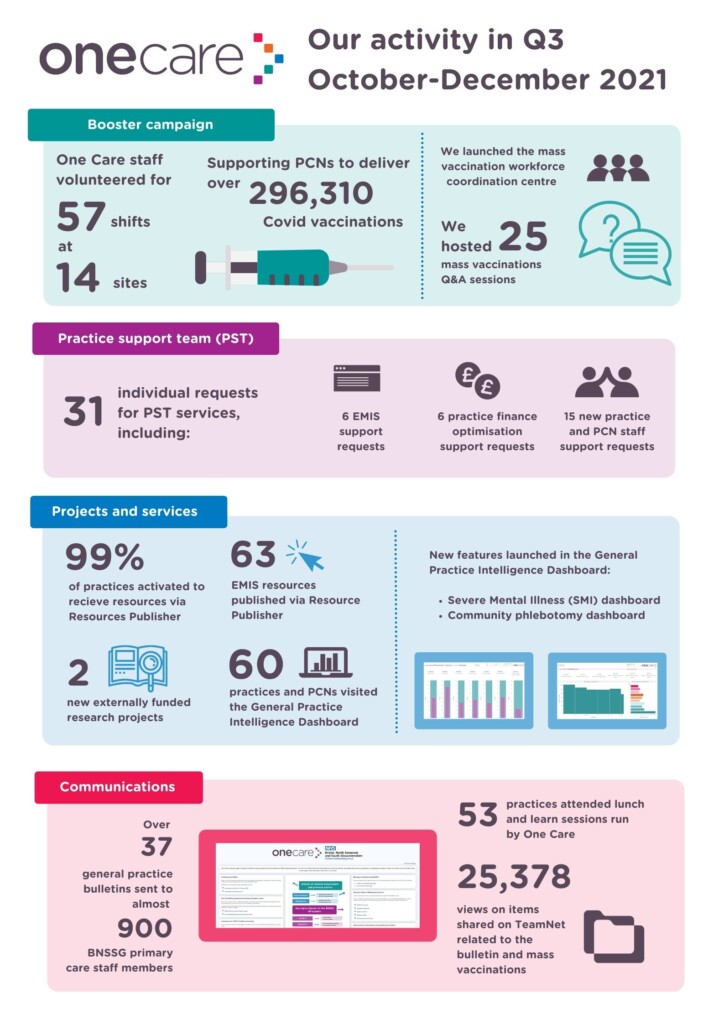
Some One Care staff have temporarily stood down from normal duties in recent weeks to provide extra resourcing for the accelerated booster programme in Bristol, North Somerset and South Gloucestershire (BNSSG). This support has been offered in addition to One Care’s usual role in coordinating elements of the PCN Covid-19 vaccination programme.

From the week commencing 13 December, staff have been offering their services to Primary Care Networks (PCNs), helping with various administrative, marshalling and reception tasks. To date, 56 shifts have been covered by One Care staff at 14 venues.

Eighty per cent of eligible patients have now received their booster jabs across BNSSG. Just shy of 200,000 vaccinations were given between 12 December 2021 – 4 January 2022, with more than half administered by PCNs.

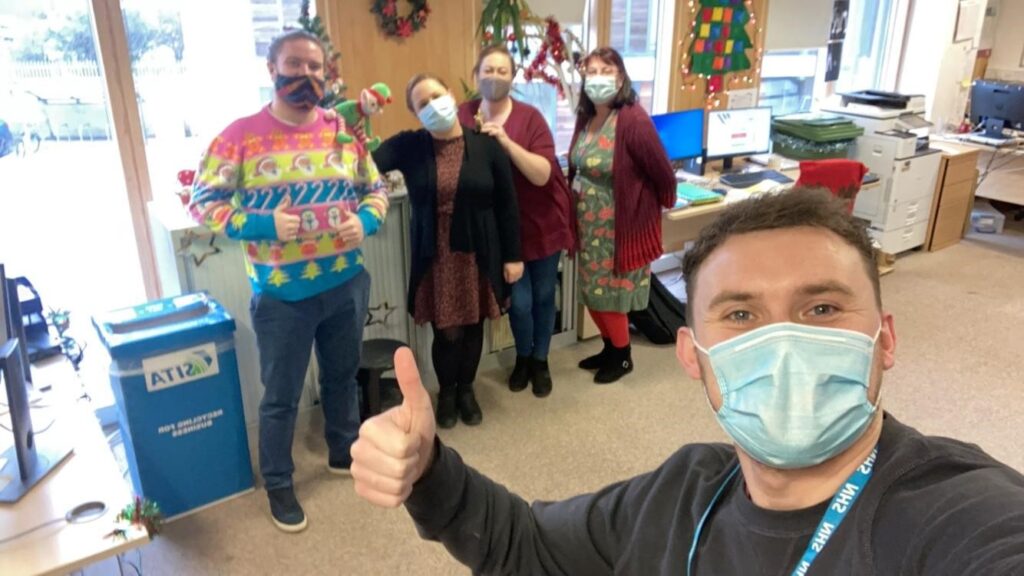
One Care’s Chief Operating Officer Scott Godley, said: “It’s been fantastic seeing so many of our staff volunteer with the booster rollout programme.

“The feedback we’ve received from practices about our staff has been fantastic and similarly, members of the team have enjoyed going into the surgeries and vaccination centres, meeting new people, gaining new experiences, and witnessing first-hand the demands of the booster programme.”

“The vaccination figures are truly remarkable, particularly in the last few weeks, so a huge thank you and well done to everyone involved,” he continued.

“One Care will continue to make its staff available to volunteer at practices across BNSSG for the next couple of weeks, when it will then be reviewed, and I would encourage practices to take up the offer of support as it’s proven to make a positive difference.”

If your PCN would like to request additional help, please click here.

All adults are reminded they are eligible for their booster jabs, with 12-15 year olds able to receive their second doses.

If you’re yet to receive your first, second or booster vaccination, please visit grabajab.net or call 119. Vaccinations and boosters are the best way to protect you, your friends and family.

Get healthier this New Year

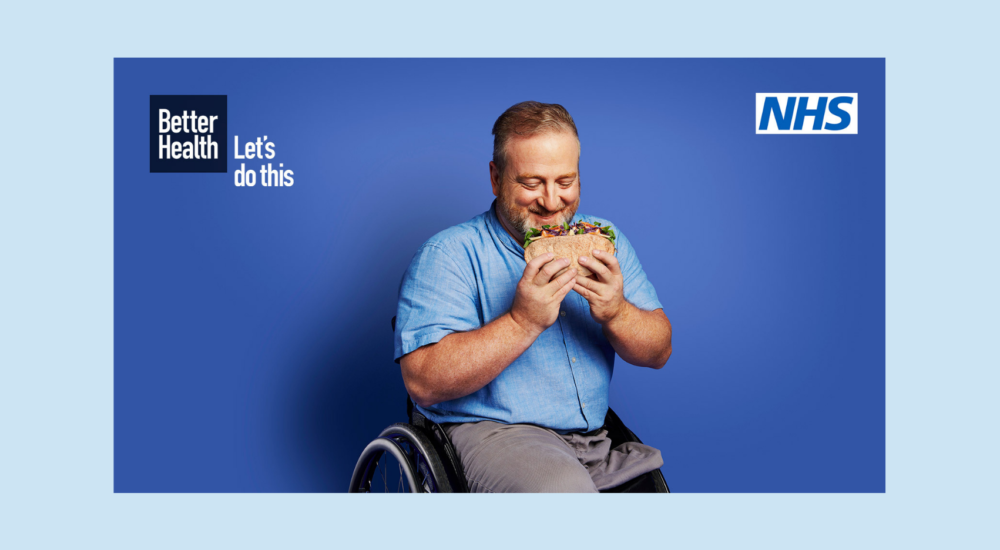
The Department of Health and Social Care have today (4 January) launched the latest instalment of the Better Health campaign to offer support and guidance to those working towards a healthier lifestyle.

Running until the end of March, the campaign looks to motivate and encourage adults across the nation to lose excess weight, eat healthier and get more active.

Better Health is working in partnership with 15 weight management and physical activity partners who are providing both free and discounted offers and the website will also signpost to local weight management support.

The new campaign highlights some of the benefits a healthier weight can have on an individual’s life:

  1. Decreased risk of common cancers (colon, liver, pancreas, kidney)
  2. Reduced risk of increased blood pressure
  3. Lowered risk of heart disease
  4. Less chance of developing diabetes
  5. Reduced strain from chronic back and joint pain
  6. Decreased risk of being hospitalised or becoming seriously ill with Covid-19

For more information and to get involved, visit the Better Health website to access a wealth of material on exercise, mental wellbeing and meal prep. The NHS weight loss plan and various fitness Apps are also available for free download.

Bristol City support Covid-19 booster programme

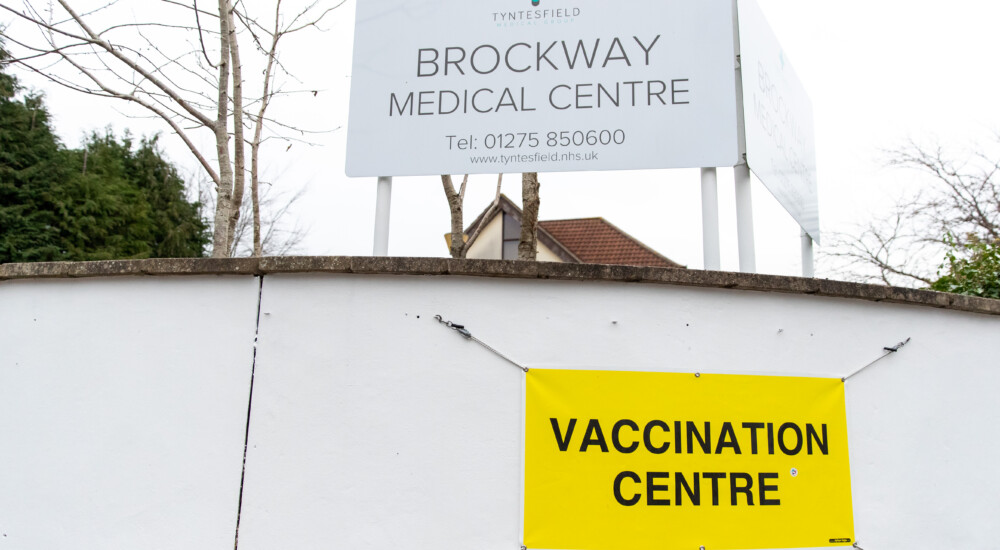
One Care and our local vaccination programme teamed up with Bristol City Football Club today (20 December) as the Sky Bet Championship outfit visited Tyntesfield Medical Group’s Brockway Medical Centre.


City’s players and staff arrived in Nailsea on their branded team coach to receive their Covid-19 boosters and lend their support to the vaccination programme, helping encourage people in Bristol, North Somerset and South Gloucestershire (BNSSG) to have their Covid booster as soon as possible.


In BNSSG – as with the rest of the country – there’s a real drive to scale-up booster vaccinations in response to the Omicron variant by increasing the capacity of booked appointments in existing vaccination sites.


With 65% of total vaccinations administered through Primary Care Networks (PCNs) in BNSSG to date, Brockway Medical Centre’s lead GP Dr. Jon Rees said: “We’re delighted to have boosted the Robins today. We hope the team making such a strong public statement about having their boosters, will help encourage others to have their Covid-19 booster vaccination as soon as possible.


“Bristol City and other local sports teams have been fantastic advocates since the start of the Covid-19 vaccination campaign. It’s great that our local sports teams are encouraging vaccine uptake in Bristol, North Somerset and South Gloucestershire.”


Bristol City’s Chief Executive Offer Richard Gould added: “I’m really pleased that so many of the team have had their booster today. A lot of football games were cancelled over the weekend, and we wanted to come down today to help keep football going. I’d like to give credit to the NHS and to our players for being so informed and making the choice to have their Covid-19 booster.”


If they haven’t already, your GP surgery will be in touch very soon to offer you an appointment. It’s extremely important to accept your invitation to receive the booster, rather than wait.


Alternatively, you can use the online National Booking Service, call 119 or visit www.grabajab.net for more vaccination options in your area.


Vaccines are the best way to protect yourself, friends, and family from this dangerous virus. Do not put it off until the New Year. Getting your booster is a quick a pain free process.


With focus being on vaccinations in the coming weeks, general practice staff are focusing on delivering booster appointments. While you may need to wait until the New Year to get a routine appointment, please be assured that practice teams are still available to look after your urgent care needs, including symptoms that may indicate cancer.

‘We’re showing war time spirit’ with the Covid Vaccination Programme  

It’s one year to the day since the first Covid-19 vaccination was administered by a Primary Care Network (PCN) in Bristol, North Somerset and South Gloucestershire.  

In that time, NHS staff and volunteers have united across the country to deliver over 100 million doses of the Covid-19 vaccine, with more than 1.7 million coming from our local vaccination programme in Bristol, North Somerset and South Gloucestershire (BNSSG).  

There have been more than 5000 staff and volunteers involved in 53-GP run clinics, providing our local community with first, second and booster jabs.  

Eighty-one per cent of the BNSSG population, aged 12 and over, have now received their first dose, with a 108-year-old taking the crown for the oldest person to be vaccinated. 

In an interview with BBC Radio Bristol, Kingwood Health Centre’s Dr. Neil Kerfoot reflected on the past year saying: “In December we started to design how we would get vaccinations at pace into our population. There were lots of regular meetings and the staff were amazing – everyone came forward and offered to join us. We had volunteers coming out the woodwork, asking to help, and it was a real team effort.  

“In my Primary Care Network, we’ve done 60,000 vaccines now and it takes one-minute to input the vaccination on to the computer once it’s been administered. That’s 41 days of admin time our team has done in the last year so that we can keep track of who has had their vaccine.   

“To have over 80% of the population in Bristol vaccinated is amazing. There’s been some great work from staff in general practice, local pharmacists, community and outreach teams, along with the mass sites.” 

Kingswood Health Centre’s Practice Manager Robyn Clark added: “We often refer to it as our war effort. This is the closest to that war time spirit we’ve ever felt. We’ve all been working long hours in this combined effort to bring about an end to what has impacted so many lives for so long.” 

Care home residents were one of the first cohorts eligible to access Covid vaccinations and praising the work of the programme is 105-year-old Deerhurst care home resident Edna: “It is absolutely marvellous. All the carers around me are good – I don’t know how they work so hard. I’ve had my two jabs and booster and I was a lucky one. I felt so pleased. I’ve not had vaccinations before – it was different, but it was all soon done.” 

Claudia, who works at Deerhurst, followed up by saying: “The success of the vaccination programme has meant a lot more freedom. The residents were more protected, and we were able to look after residents in the same way, while wearing PPE.  

“We had the doctors come in and everyone was vaccinated. Because everyone was vaccinated at the same time, we could open up a little quicker and families could start to visit again.” 

With increasing numbers of confirmed Omicron cases across the country, vaccination is critical to bolster our defences against this new variant.  

Subsequently, our local NHS is working on plans to quickly scale up our Covid-19 vaccination programme, including through GP surgeries. 

Your GP surgery will be in touch very soon to offer you an appointment. Please do not contact your surgery about making a vaccination appointment before you hear from them. 

From today (Wednesday 15 December) everyone aged 18 and over can book a booster vaccine appointment online here.  

NHS England and the government have asked general practice to focus on vaccinations in the coming weeks. This may mean you will be waiting longer for non-urgent appointments and as always, practices will be working hard to prioritise those who are most in need. Please be kind and treat staff and volunteers with respect. 

Remember, vaccines are the best way to protect yourself, friends, and family from these dangerous viruses, so everyone aged 12 and over are urged to take up the vaccine.  

One year milestone for the NHS Covid-19 Vaccination Programme

8 December 2021: Today is the one-year anniversary of the first Covid-19 vaccination to be given in Bristol, North Somerset and South Gloucestershire (BNSSG) at Southmead hospital. The milestone comes on the day that people aged over 40, along with frontline health and care staff and those in high risk groups, are able to have their life-saving Covid booster vaccination three months after their second dose, brought forward from six months.

Since 8 December 2020, our local vaccination programme has delivered 1,700,299 vaccinations, including 21,312 to our most vulnerable populations through our Maximising Uptake outreach programme. Our teams have worked tirelessly to vaccinate people against Covid-19 at 53 GP-run clinics, two large scale vaccination centres, 14 community pharmacy sites, three hospital clinics, in parks, in shops, at their place of work and in their homes.

Geeta Iyer, Clinical Lead for the BNSSG Vaccination Programme, said: “I am awed by the progress we have made in the Vaccination Programme in such a short space of time. In the past 12 months our programme has evolved from a highly clinical process with early vaccinations being administered in hospitals and GP surgeries to our position, today, with teams regularly vaccinating in workplaces, on the street and in community settings across BNSSG.

“It’s been quite a journey for everyone involved across our healthcare system and I want to say a huge ‘thank you’, on behalf of the BNSSG Vaccination Programme, to everyone who has been involved in this life-saving Programme. You really have made a difference.”

99-year-old Jack Vokes from North Somerset was the first person to receive his Covid-19 vaccination in BNSSG at Southmead hospital. One year on from being vaccinated, he said: “I can’t believe it’s been a year. I feel very lucky. I’d like to thank everyone involved very much for what they’re doing. God bless you all and have a very happy Christmas.”

With increasing numbers of confirmed Omicron cases across the country, vaccination is critical to bolster our defences against this new variant. Please have your first, second or booster jab, without delay. People can get their vaccine by booking online through the National Booking Service or by calling 119, at a local clinic (visit www.grabajab.net for details) and GP practices are also inviting those who are eligible.

To mark the anniversary, Dr. Neil Kerfoot and Practice Manager Robyn Clark from Kingswood Health Centre featured on BBC Radio Bristol this morning to discuss the past 12-months and highlight how well everyone has united to achieve such a high level of vaccinations.

Radio Bristol also caught up with 105-year-old care home resident Edna, who spoke about her experiences of getting her first and second vaccinations, along with her booster jab, and the positive difference they’ve made on her life.